

Veteran Owned Coffee Roasters Online: 2026 Buyer's Guide
Table of Contents
- Why Veteran Owned Coffee Roasters Online Are Worth Buying From
- How to Verify a Coffee Roaster Is Truly Veteran Owned
- How to Choose Fresh Roasted Coffee From an Online Roastery
- Coffee Roasting Profiles Explained: Matching a Roast to Your Brewing Method
- Coffee Blends and Roast Profiles From a Veteran-Operated Roastery
- Subscriptions, Home Delivery and Giving Back to the Military Community
- Conclusion
- Frequently Asked Questions
Last Updated: September 29, 2026
Why Veteran Owned Coffee Roasters Online Are Worth Buying From
Veteran owned coffee roasters online give you a direct line to fresh-roasted beans while your money supports businesses built by people who served. That combination of quality and purpose is why this buyer's guide from Tampa Bean Company exists. Instead of guessing which roaster deserves your subscription, you'll learn how to verify ownership, read a roast date, and match a roast profile to your brewing method.
What "Veteran Owned" Actually Signals to a Coffee Buyer
Veteran owned means a business is at least 51% owned and controlled by a person who served in the armed forces. That ownership structure is what separates a genuine veteran-operated roastery from a brand that simply uses military imagery in its packaging.
How to Verify a Coffee Roaster Is Truly Veteran Owned
Verifying veteran ownership takes about ten minutes and saves you from supporting a brand that only borrows the label. The goal is to move from a marketing claim to a documented fact. Start with the company's About page, then cross-check the claim against at least one independent source.
A few practical checks:
- Look for a named founder with a branch and years of service listed
- Search state business registries for the owner's name and ownership percentage
- Check veteran business directories and certification bodies
- Read the shipping origin on the label or order confirmation, it should match the registered address
Certifications, Registries and Public Ownership Records
Third-party certification carries more weight than a badge a company designs itself. The U.S. Department of Veterans Affairs publishes resources on veteran-owned business programs, and the U.S. Small Business Administration maintains guidance on veteran-owned small business certification. The National Veteran Business Development Council runs a widely recognized certification for veteran-owned businesses, and the VetBiz / SBA Veteran Small Business Certification is the federal government's own verification database for veteran-owned small businesses.
A Ten-Minute Verification Walkthrough
Here is the sequence most careful buyers use, in order:
- Read the About page. Note the founder's name, branch, and years of service. If any of those are missing, that is your first flag.
- Search the state business registry for the company name and the founder's name. Confirm the ownership structure matches the claim.
- Check a certification body. Look for NVBDC, SBA VetCert, or a state-level veteran-owned designation. A certification number you can look up is stronger than a logo.
- Verify the address.
- Ask directly. Email or chat the roaster and ask which organizations receive a portion of sales and how the veteran ownership is documented. A real veteran-owned roaster will answer plainly; a marketing-only brand will deflect.
How to Choose Fresh Roasted Coffee From an Online Roastery
Choosing fresh roasted coffee online comes down to three variables: roast date, grind, and how fast it ships. Get those right and you'll taste the difference in the first cup.
Roast Date, Grind Options and Shipping Speed
Roast date tells you how old the beans actually are. Many commodity bags show only a "best by" date, which can hide coffee that was roasted months ago.
| What to Check | Why It Matters | What Good Looks Like |
|---|---|---|
| Roast date | Predicts freshness | Printed date within days of shipping |
| Grind options | Matches your brewer | Whole bean plus custom grinds |
| Shipping speed | Limits time in transit | Ships within 1-2 business days |
| Origin detail | Signals sourcing care | Named region or farm |
Coffee Roasting Profiles Explained: Matching a Roast to Your Brewing Method
Coffee roasting profiles explained simply: a roast profile is the time and temperature curve a roaster applies to green beans, and it determines how acidic, sweet, or smoky the final cup tastes. Light roasts keep more origin character. Dark roasts push toward cocoa and caramel.
- Light to medium roasts: best for pour-over and drip, where delicate fruit and citrus notes can shine
- Medium roasts: versatile, works in most brewers including French press
- Dark roasts: stand up to espresso and cold brew, where bold body matters more than subtlety
The Best Coffee for Pour Over: What to Look For
The best coffee for pour over is a medium roast with a consistent grind and a recent roast date, because pour-over rewards clarity and even extraction. Look for tasting notes like citrus, caramel, or stone fruit.

Coffee Blends and Roast Profiles From a Veteran-Operated Roastery
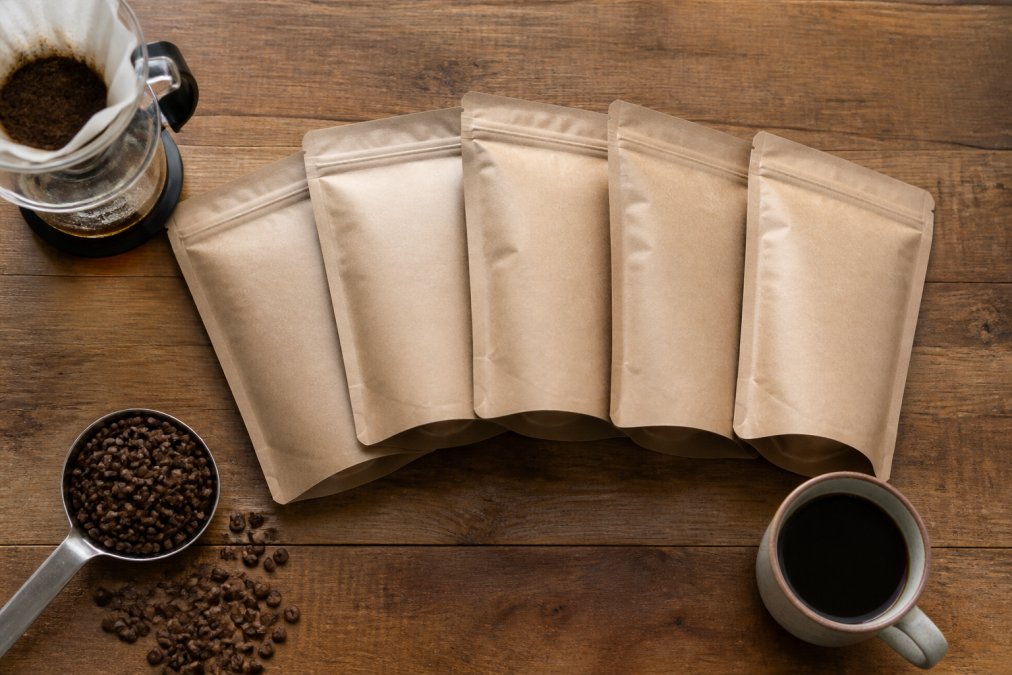
Blends give a roaster room to build a consistent cup.
12 Pack Single Serve Coffee Capsules →
Subscriptions, Home Delivery and Giving Back to the Military Community
Subscription coffee delivers on a schedule you set, which keeps fresh beans in the house without a weekly errand. The real questions are whether you can pause or skip, how the roaster gives back, and whether the mission is specific enough to be meaningful.
What Meaningful Military Community Support Actually Looks Like
Veteran entrepreneurship support tends to fall into a few recognizable categories:
- Transition-to-civilian-life programs, resume help, interview coaching, and skill translation for service members leaving active duty
- Veteran entrepreneurship accelerators and fellowships, cohorts that teach small-business fundamentals, often with mentorship from established founders
- Service-disabled veteran support, adaptive equipment, caregiver resources, and employment placement
- Gold Star and family support, organizations serving families of fallen service members
- First responder and frontline support, often paired with veteran causes because the communities overlap
Subscription Mechanics That Actually Matter
Home delivery also changes the math. A daily coffee shop habit adds up fast, and a subscription box typically lands well below that for the same or better quality. If you're weighing it, compare the per-bag cost, shipping frequency, and whether the plan is customizable.
A few mechanics to check before you commit:
- Skip and pause options, can you skip a shipment during a vacation without losing your rate?
- Frequency flexibility, weekly, biweekly, and monthly are common; some roasters also offer a "ship when I run out" trigger
- Grind consistency, if you order custom grinds, confirm the roaster re-grinds per shipment rather than pre-grinding in bulk
- Roast date on arrival, a good subscription ships within a day or two of roasting, so the bag lands in your kitchen inside the first week
- Cancellation terms, no penalty, no minimum number of shipments, no phone-call-only cancellation
Conclusion
The hard part of buying veteran owned coffee online isn't finding a roaster, it's telling a genuine veteran-operated business from one that just markets like it. Verify the owner, check the roast date, and match the grind to your brewer.
Frequently Asked Questions
Is there a coffee company run by veterans?
Yes. Several roasteries in the US are founded or run by veterans, and they range from small-batch operations to larger direct-to-consumer brands. The clearest way to confirm one is to check the company's own about page for a named founder and service branch, then cross-reference that person against public business registration records in the state where the company operates. A roaster that names its owner, shows the roasting facility and publishes a roast date on every bag gives you more to verify than one that only uses the word "veteran" in its marketing copy.
How can I verify if a coffee roaster is truly veteran-owned?
Start with three checks. First, look for a named founder or owner and their branch of service on the company site. Second, search your state's business registration database to confirm the ownership structure matches what the site claims. Third, look for third-party validation such as a veteran-owned business certification or membership in a veteran business registry. If a roastery ships whole bean or ground coffee with a printed roast date and a real address, that transparency is a good sign you are dealing with an actual roastery rather than a reseller.
What is the best coffee for pour over from a veteran owned roaster?
Medium roasts work best for pour over because they keep enough acidity and sweetness to stay interesting through a slow extraction. Look for a medium roast with tasting notes like chocolate, citrus or caramel, and order it as whole bean or as a medium grind sized for a cone dripper. A medium roast blend sourced from Central and South America, with notes of sweet chocolate and mild citrus, is a reliable starting point. Grind consistency matters more than the specific origin, so pick a roaster that lets you choose your grind.
How do coffee roasting profiles explained by roasters affect what I should buy?
Roast level determines how much of the bean's origin character survives the roast. Light roasts keep more acidity and fruit, medium roasts balance sweetness and body, and dark roasts push toward cocoa, caramel and smoke while reducing acidity. If you brew with a pour-over or drip machine, medium roasts give you the most flexibility. For espresso or cold brew, darker roasts hold up better against milk, ice and long extraction times. Buy the roast level that matches your brewing method rather than the one with the boldest label.
How do I choose fresh roasted coffee when ordering online?
Check three things before you buy. First, does the product page state a roast date or promise shipping within a few days of roasting? Second, can you pick whole bean or a specific grind for your brewer, since pre-ground coffee stales faster? Third, what is the shipping time. A roastery that prints the roast date on the bag, offers custom grind options and ships directly to your door gives you the best shot at a fresh cup.